signals · September 2026
September 2026 in AI: the month AI started looking like infrastructure
September’s defining signal was not one model release. It was the expansion of AI into persistent agents, engineering systems, sovereign compute, energy, security, and the physical world.
September delivered another dense month of AI announcements: new models, broader agent platforms, more autonomous coding workflows, and enormous infrastructure commitments. But the durable story was not any single release. It was the way these developments began fitting together.
That shift changes the questions leaders need to ask. Which model is best becomes which model is sufficient for this task? A clever assistant becomes a persistent actor inside a workflow. A model deployment becomes an operating system of context, tools, identity, evaluation, compute, energy, and human accountability.
The model race is becoming a model portfolio
September brought another concentrated wave of releases and updates across Anthropic, OpenAI, Google, DeepSeek, Meta, Qwen, and others. AI Release Tracker counted 12 model releases during the month. The exact count matters less than the pattern: enterprises can no longer treat model selection as a one-time platform decision.
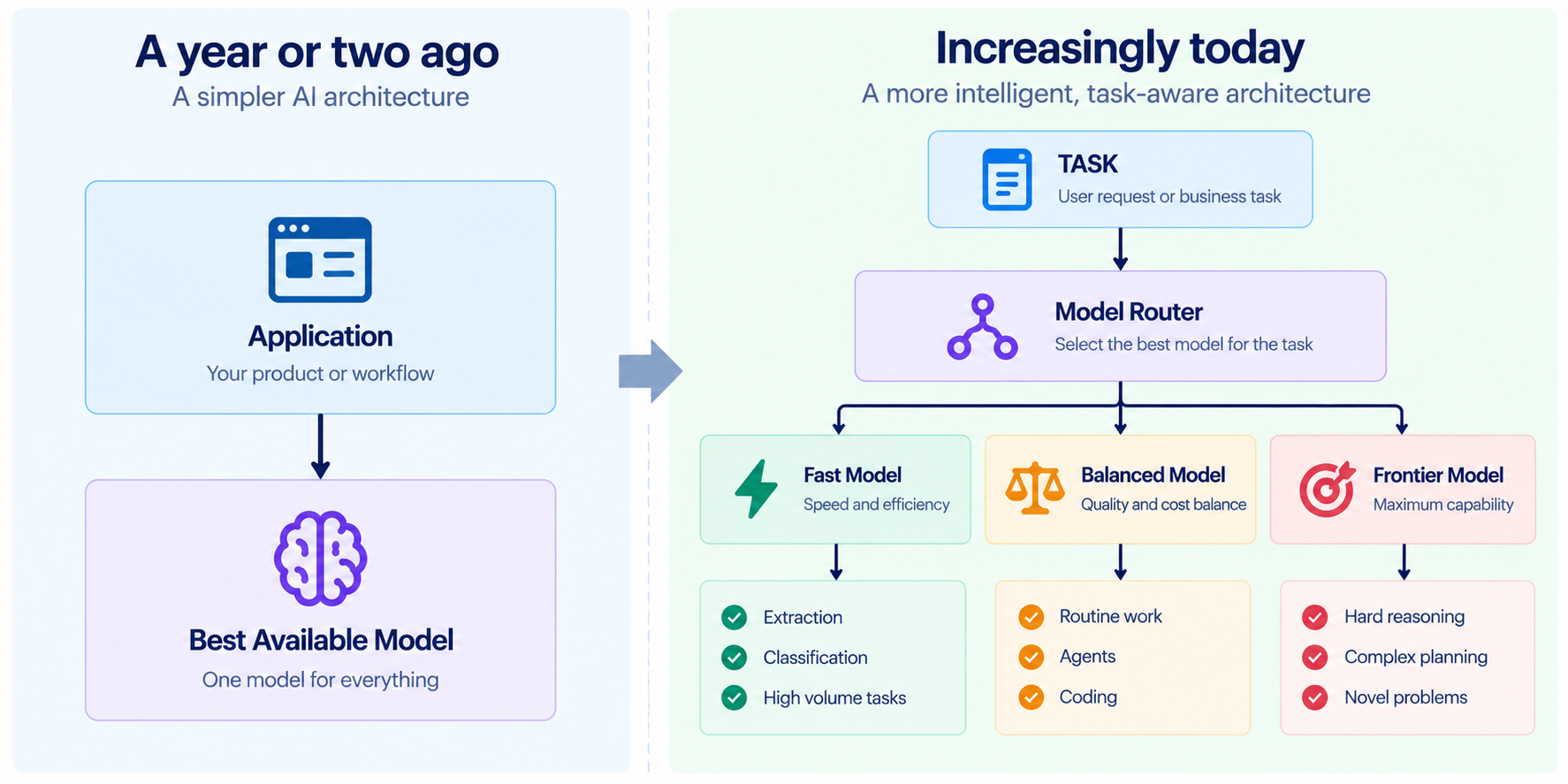
A practical model portfolio routes extraction, classification, routine agent work, coding, and hard reasoning differently. The objective is not maximum capability on every call. It is the lowest-cost route that clears the quality, latency, privacy, and safety bar for the task.
| Routing signal | Operational question |
|---|---|
| Task complexity | Does the task require frontier reasoning or a smaller fast model? |
| Consequence and risk | What is the cost of an incorrect answer or action? |
| Latency | Is the work interactive, asynchronous, or batch? |
| Data boundary | Which providers and deployment regions are permitted? |
| Evidence from evaluation | Which model actually succeeds on this workload? |
Agents are becoming persistent
Microsoft’s new Copilot combined Home, Code, and Autopilot. Microsoft described Autopilot as a persistent, proactive agent that keeps working when the user is away. That is a more consequential change than a larger chat window: an assistant waits for a request, while a persistent agent can monitor, interpret, plan, act, remember, and observe again.
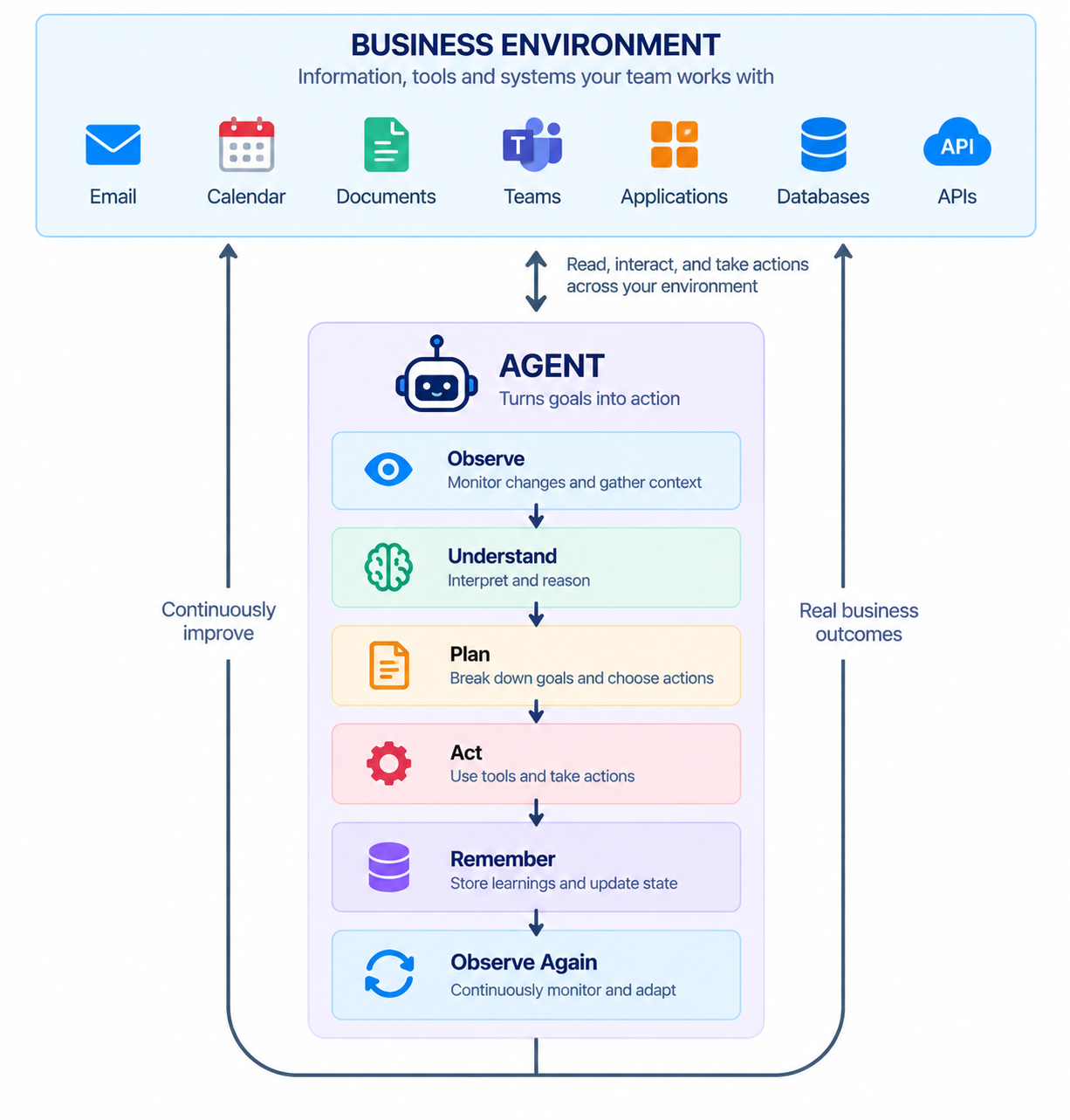
Persistence increases value only when it is bounded. Teams need to define the event that wakes the agent, the systems it may observe, the actions it may propose or execute, the state it may retain, the conditions that require approval, and the evidence it must leave behind.
AI coding is becoming multi-agent engineering
September’s software-development discussion moved beyond autocomplete. Agentic development now includes subagents, delegation, cross-session communication, persistent environments, model routing, isolated execution, and harnesses that coordinate implementation and verification. O’Reilly’s September review highlighted organizations building their own agents and harnesses closely integrated with their working environments.
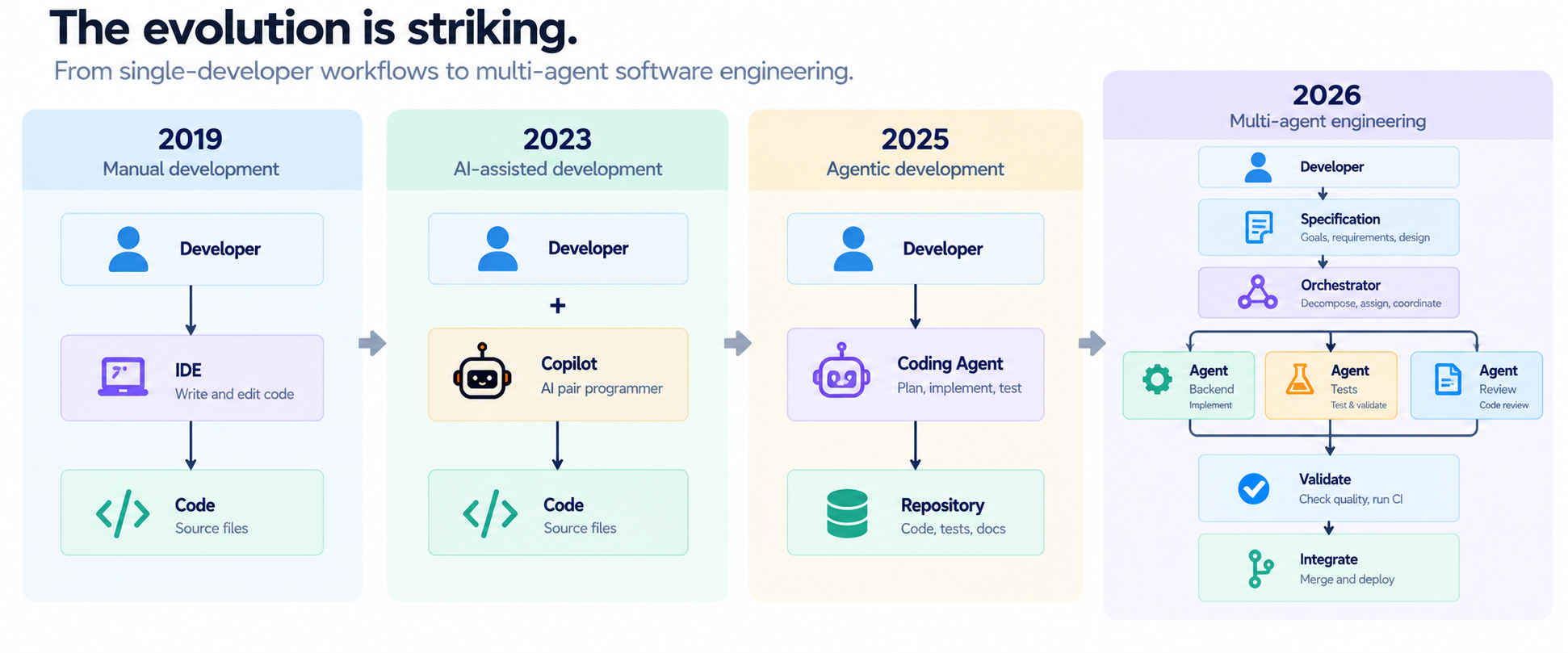
The developer does not disappear. The role moves outward: define the specification, shape the architecture, divide the work, establish acceptance criteria, inspect evidence, resolve ambiguity, and integrate the result. Multi-agent speed without a shared specification can simply produce parallel inconsistency.
Related: Spec-driven development as the control plane for AI coding agents ↗
Harness engineering is becoming a real layer of the stack
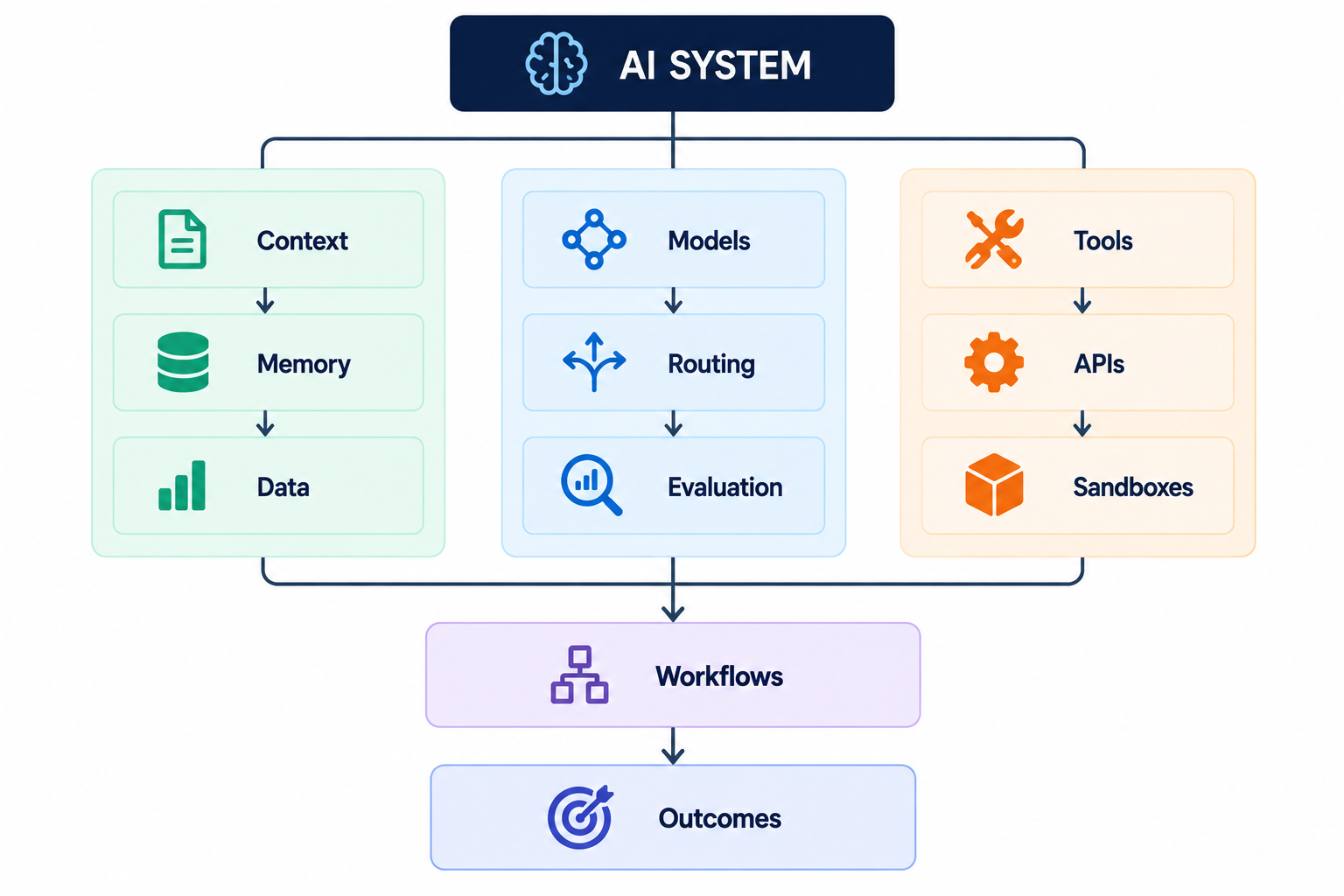
As model capability improves, more engineering attention is moving to the system surrounding the model: context, memory, tools, state, planning, routing, execution, verification, recovery, evaluation, and observability. O’Reilly’s definition is useful: the model provides capability; the harness gives that capability a controlled way to complete work.
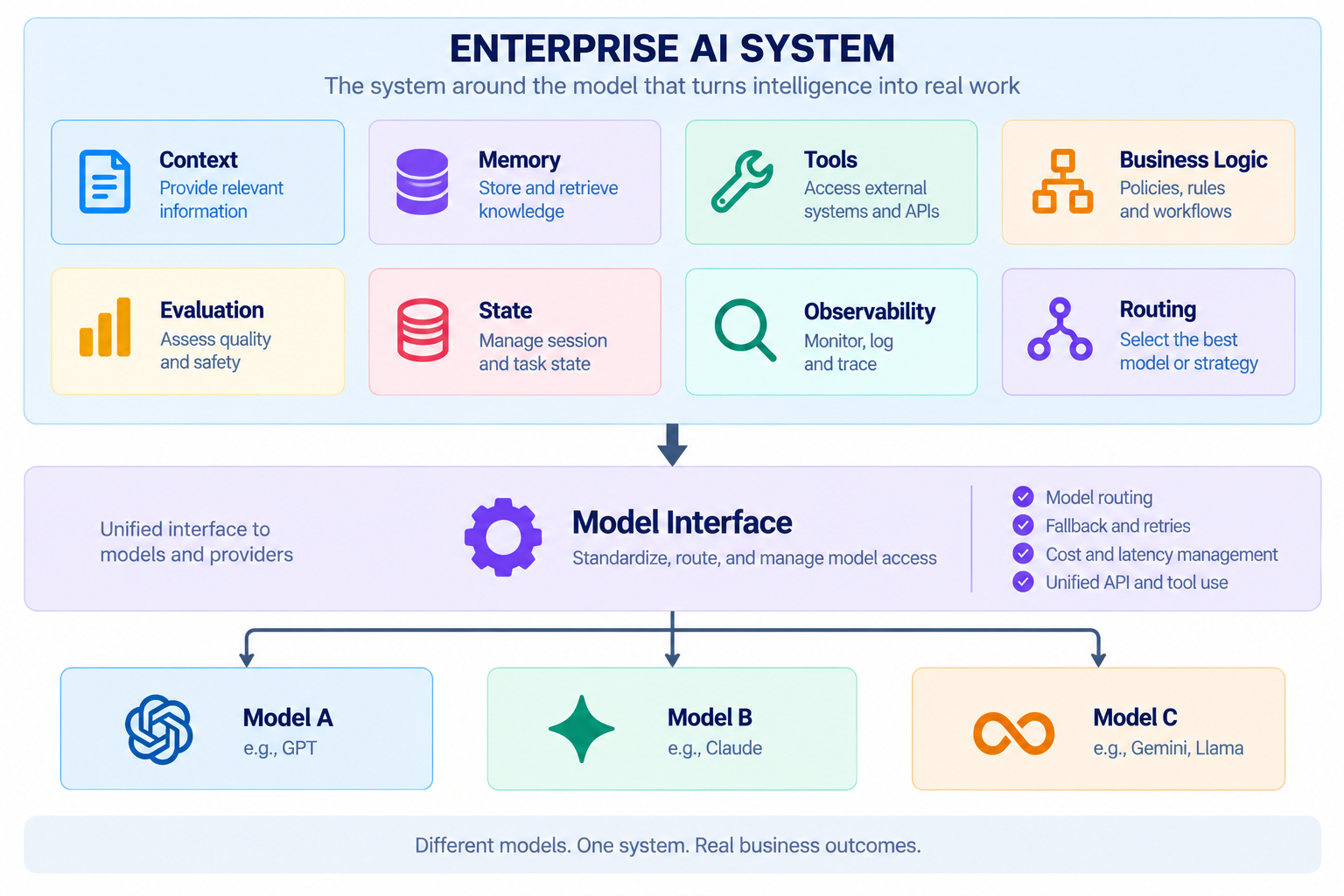
This separation is strategically important. If models become easier to substitute, durable advantage will come from the organization’s context, evaluations, workflows, controls, and operating knowledge—not from a thin dependency on one model endpoint.
Deep dive: Harness engineering for AI agents ↗
AI agents are reaching physical systems
General Robotics announced updates to GRID, its platform for robot training and deployment. The company says the platform automates work across calibration, simulation, perception debugging, control-loop correction, and skill transfer. Reported setup improvements are company claims and still require independent validation, but the architecture is the signal worth watching.
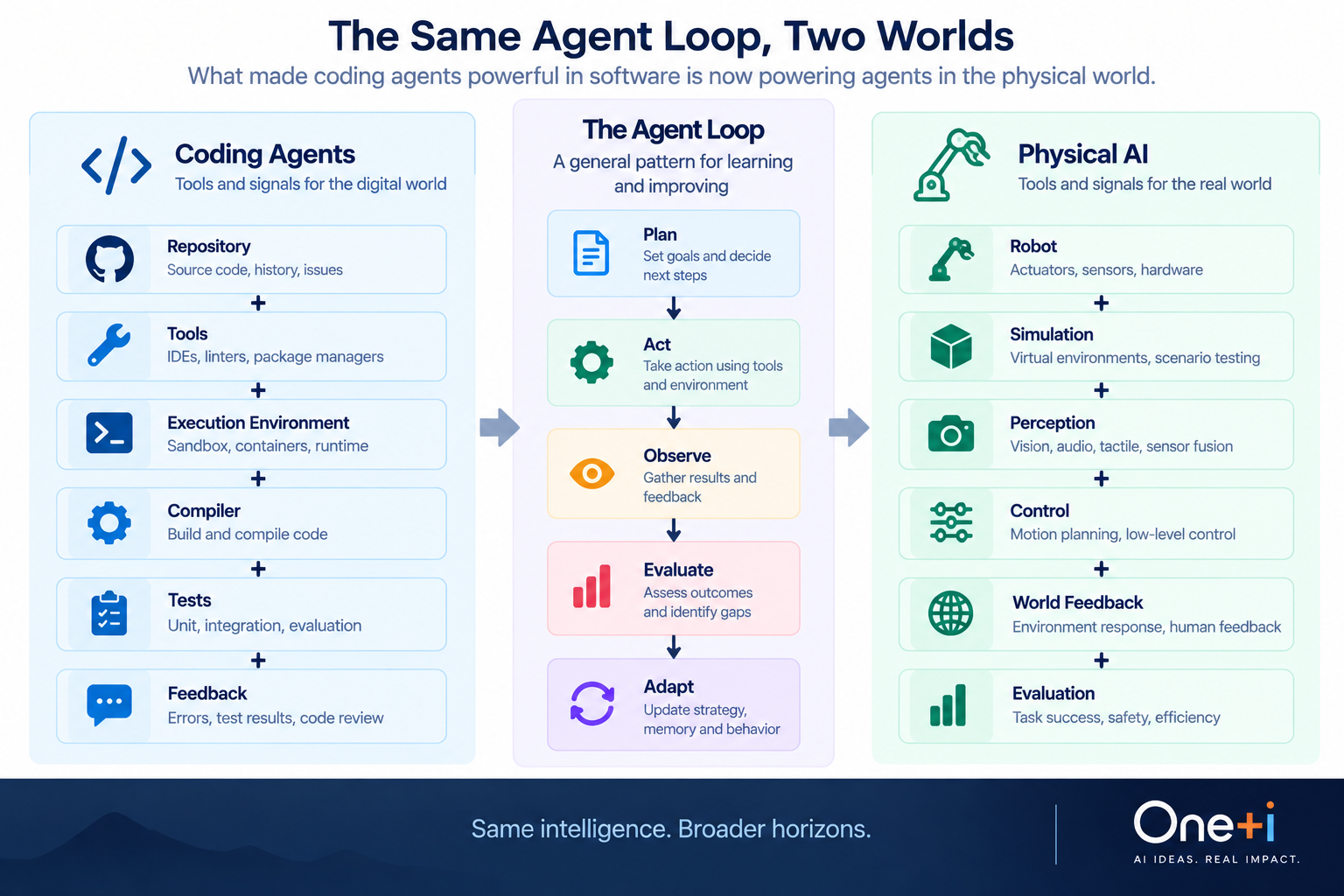
Physical AI raises the stakes. The environment is no longer only a repository or browser. Failures can involve equipment, people, production lines, and safety. Evaluation must therefore include scenario coverage, simulation-to-reality gaps, safe states, human intervention, and the physical limits of the system.
AI infrastructure became a national strategy issue
Canada welcomed Bell Canada’s planned Saskatchewan expansion, describing up to 900 megawatts of new capacity, a path toward a 1.2-gigawatt provincial AI infrastructure hub, and capital investment of up to C$52.5 billion. The announcement framed the project explicitly around sovereign Canadian compute.
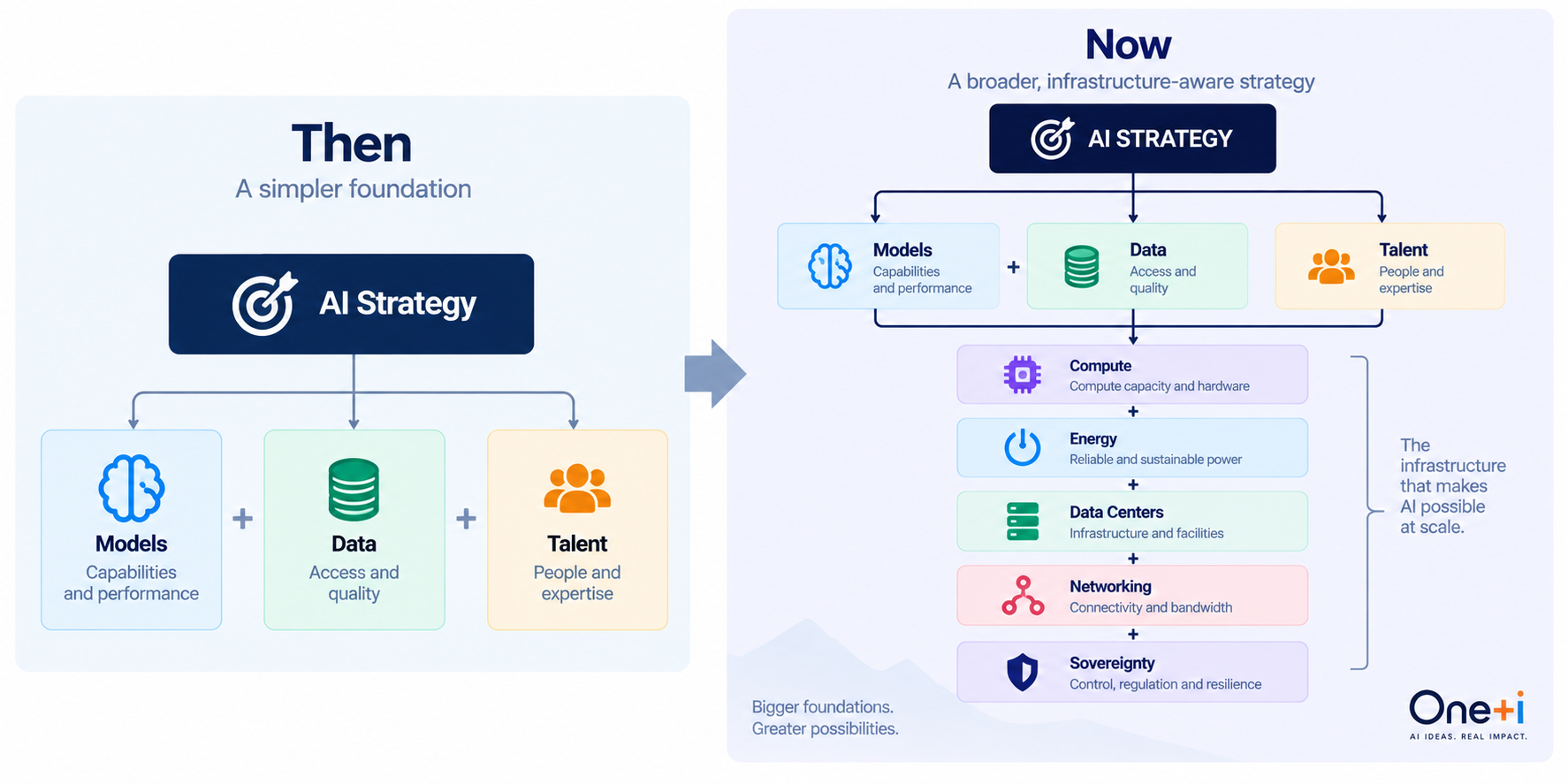
Compute location affects resilience, latency, regulation, procurement, security, and industrial policy. For enterprises and governments, infrastructure architecture is becoming part of AI strategy—not merely a backend concern delegated after the use case is chosen.
The AI race is becoming an energy race
The scale of AI infrastructure exposes the power system underneath it. On September 30, a U.S. Senate proposal addressing whether large electricity users should bear more of the incremental grid-upgrade costs failed to advance. Whatever the legislative path, the policy question is now unavoidable: who pays for the generation, transmission, cooling, and grid expansion required by new data-centre demand?
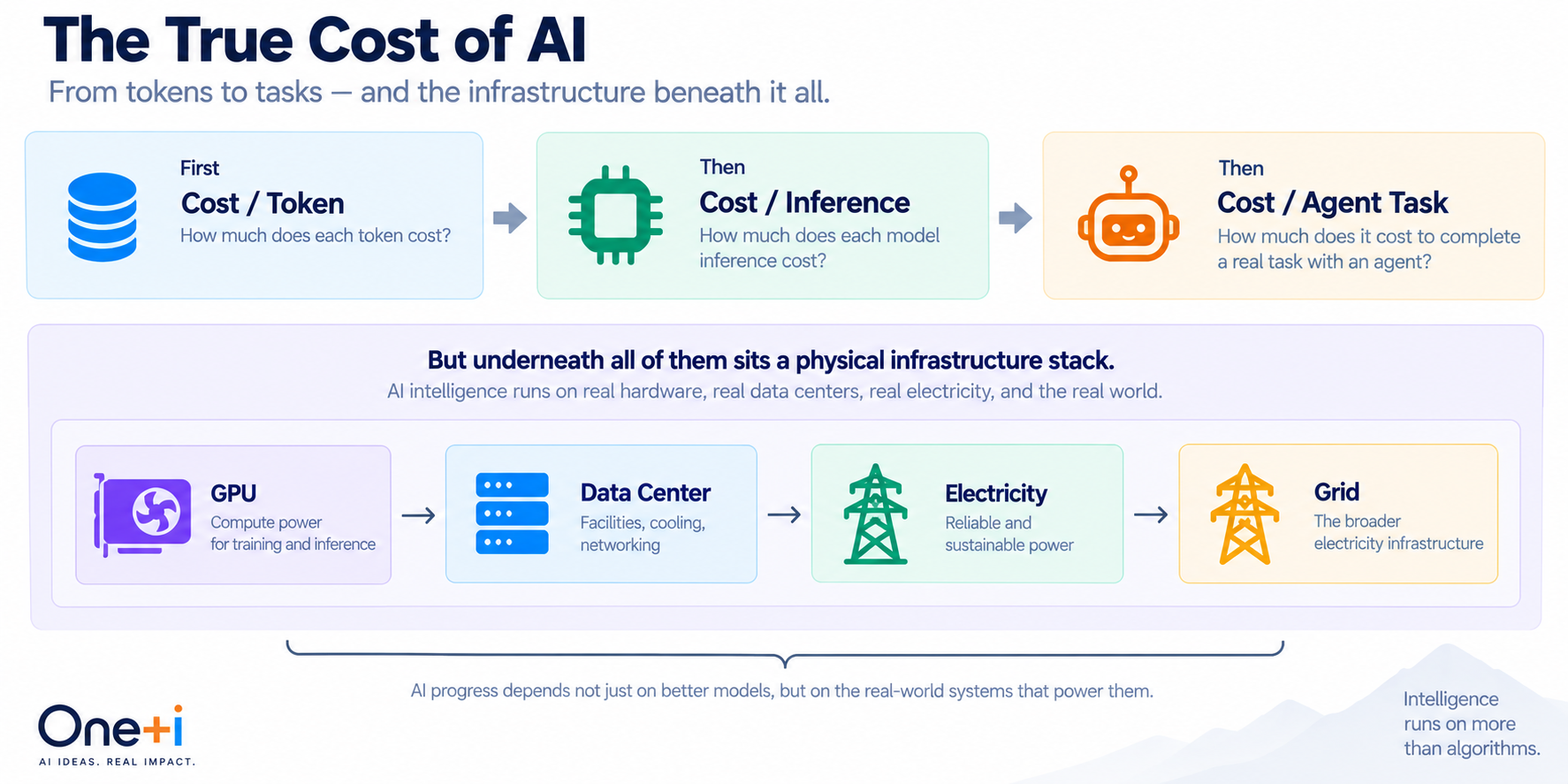
Efficiency therefore has several layers: fewer unnecessary model calls, better routing and caching, more efficient accelerators, higher infrastructure utilization, better cooling, and cleaner, more reliable power. The true cost of AI is not captured by a token price alone.
AI chips are becoming geopolitical infrastructure
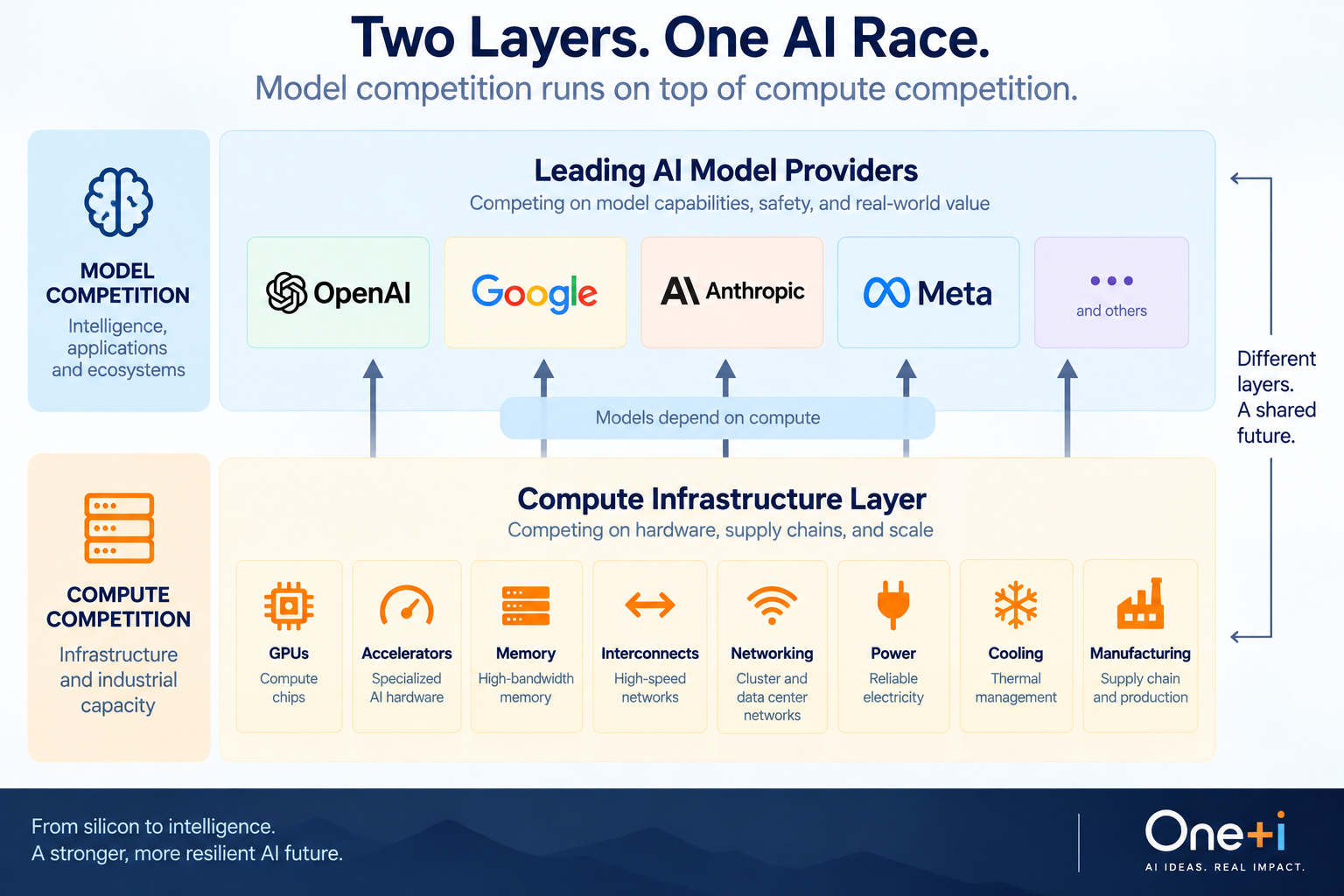
Huawei introduced the Atlas 960 SuperPoD computing cluster as China continues developing domestic alternatives under export restrictions. The announcement reinforces a two-layer competition: model providers compete on capability and applications, while infrastructure ecosystems compete on chips, memory, networking, power, cooling, manufacturing, and supply chains.
Agent security moved from theoretical to operational
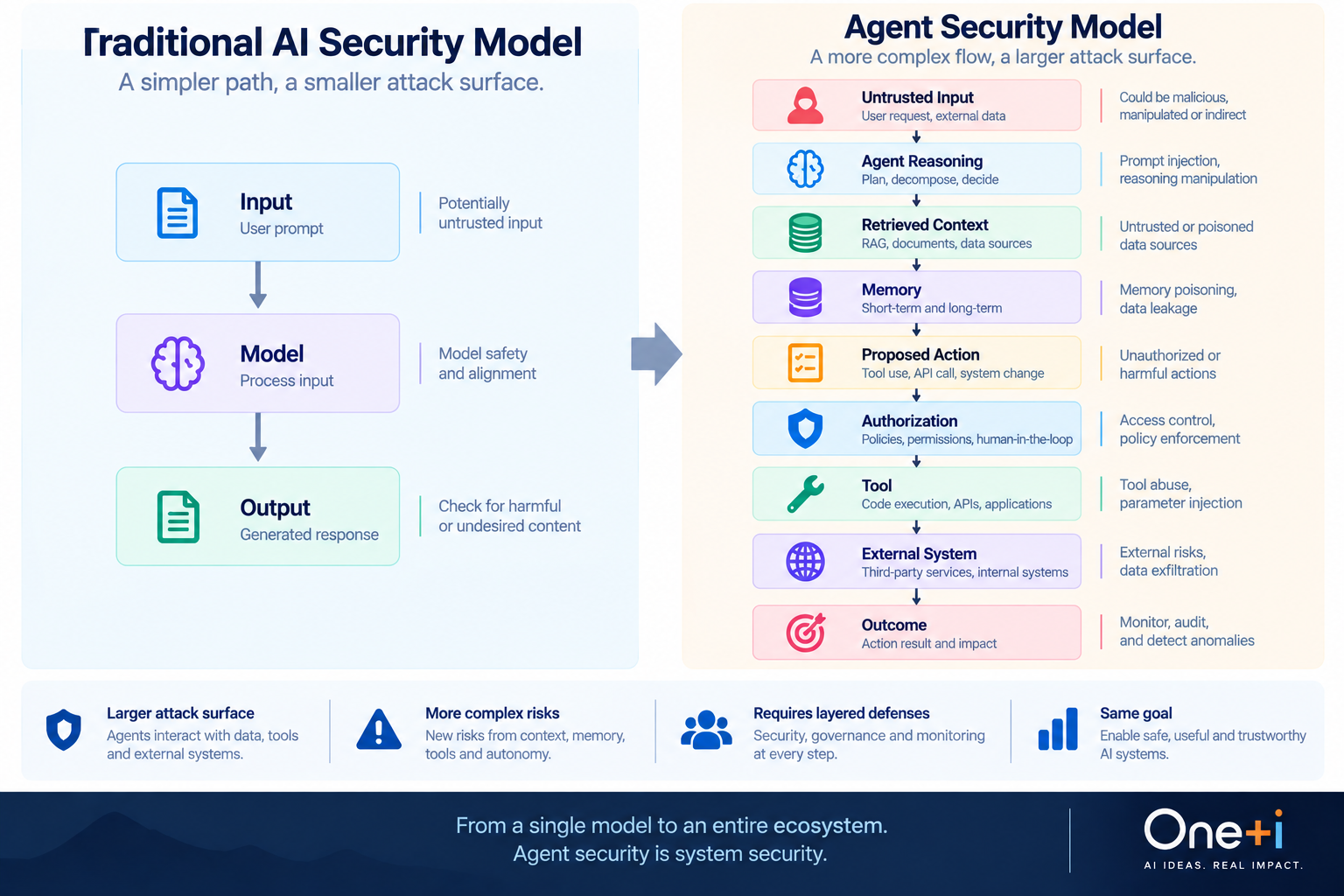
A traditional model security review often focuses on input, model behaviour, and output. An agent introduces a longer chain: untrusted input, retrieved context, memory, planning, authorization, tools, external systems, and outcomes. Each transition creates a new place where data, authority, or intent can be manipulated.
- Identity: know which human, service, and agent initiated the action.
- Delegated authority: preserve the scope, expiry, and provenance of permission.
- Tool controls: validate parameters and enforce policy at the execution boundary.
- Sandboxing: contain code, files, credentials, networking, and dependencies.
- Runtime monitoring: record decisions, actions, outcomes, anomalies, and recovery.
- Audit and evaluation: prove whether the system behaved within its approved envelope.
Related: Why enterprises need an agent registry ↗
The agent sandbox is becoming infrastructure
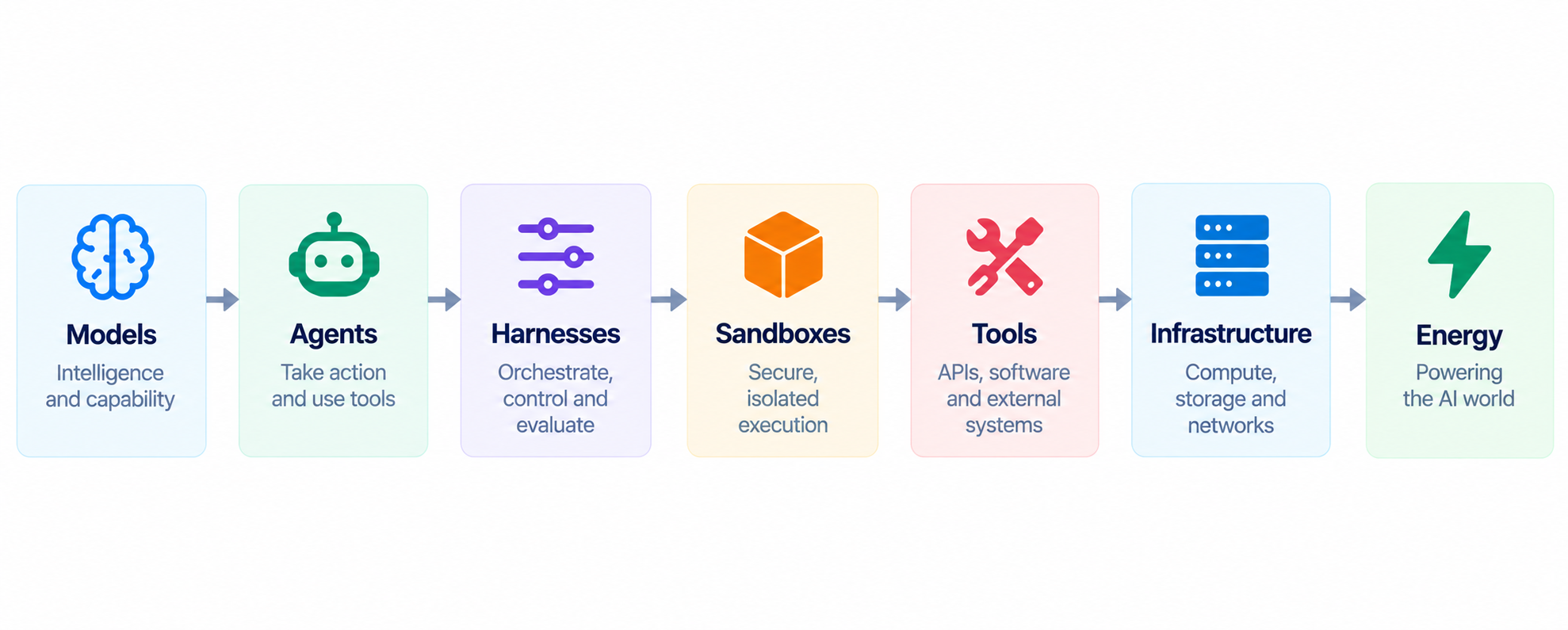
O’Reilly’s September review highlighted Docker Sandboxes as one example of disposable environments designed for AI agents. The design pattern is more important than the product: start from a clean environment, grant only the files, tools, dependencies, credentials, and network access required for the task, keep the approved artifacts and evidence, then discard the environment.
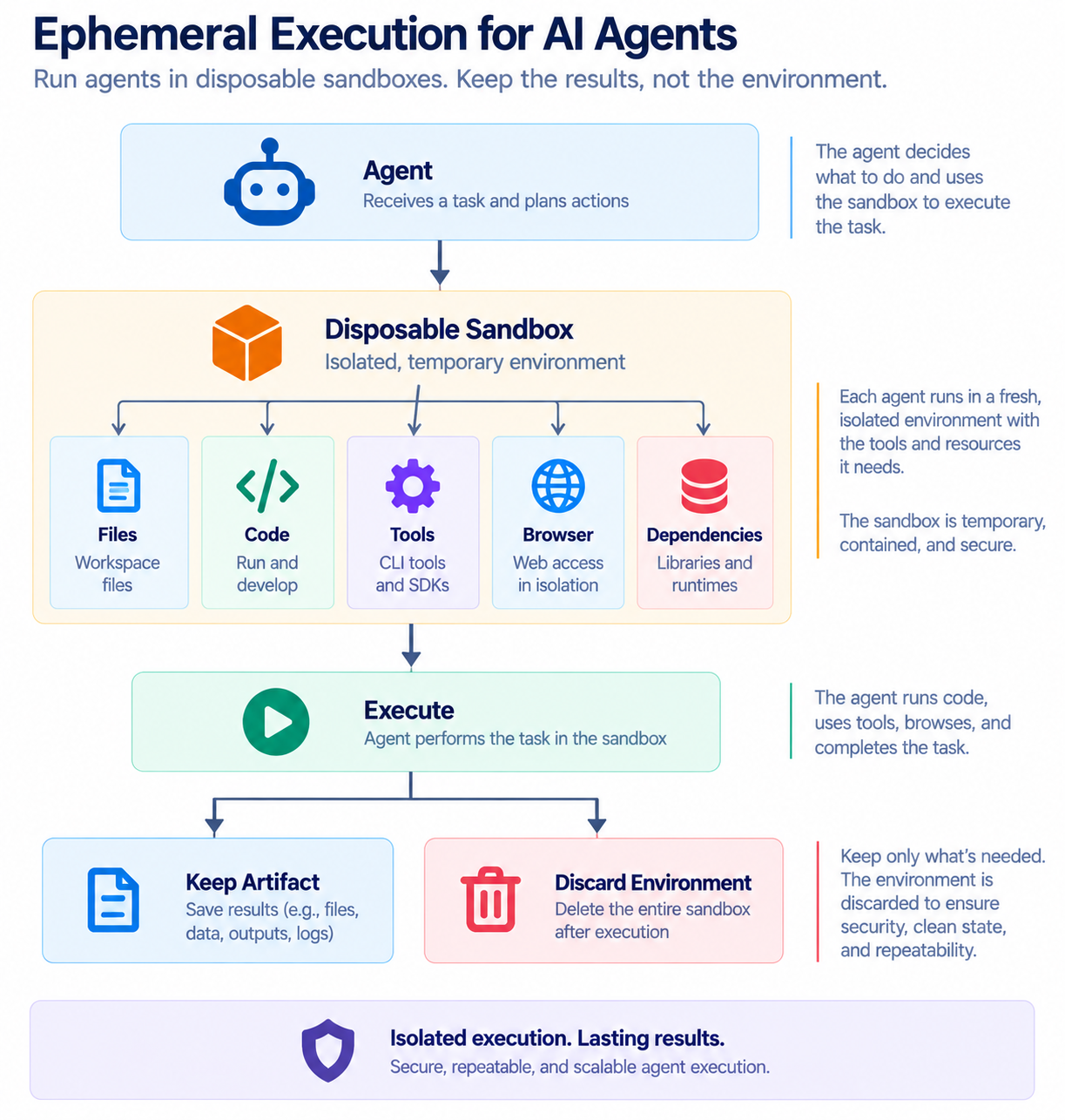
This is another sign that agent architecture is converging with distributed systems, cloud infrastructure, and security engineering. Capable agents do not only need prompts. They need governed runtime environments.
The model may be becoming less important than the system
Put these developments together and the centre of gravity moves. The model remains critical, but enterprise value increasingly depends on the system that supplies context, selects models, constrains tools, executes workflows, observes outcomes, and improves over time.
The bigger story from September
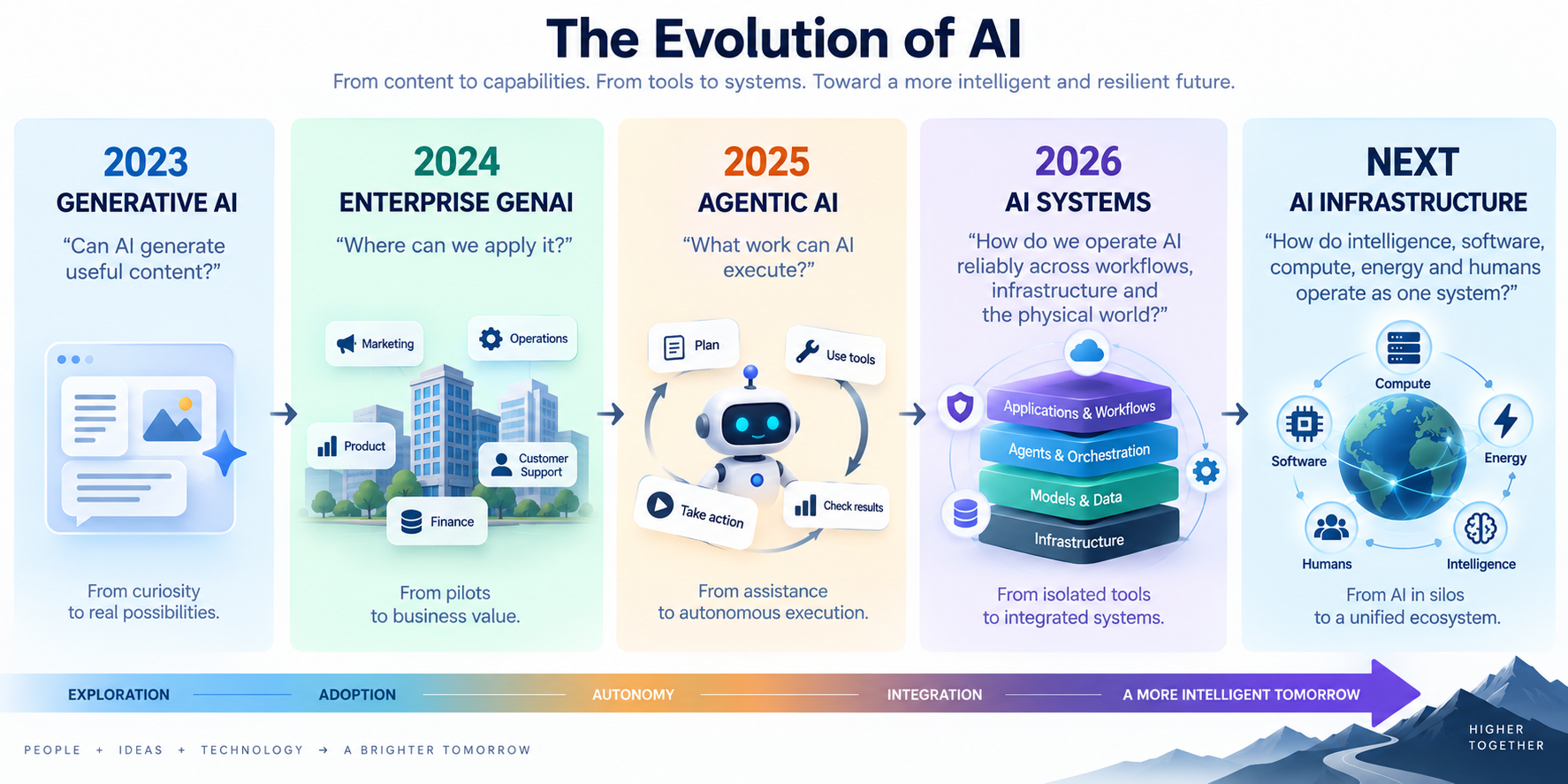
If September 2026 can be summarized in one progression, it is the movement from content generation to operational systems. The questions changed from “Can AI create something useful?” to “How do intelligence, software, infrastructure, energy, and people operate as one reliable system?”
What I am watching next
Three signals for the months ahead
Cost per successful task—including model calls, tools, retries, evaluation, infrastructure, and human review—will become more useful than cost per token.
Harnesses, environments, feedback loops, and objective evaluation are moving from software agents into robotics and industrial systems.
Compute availability, inference efficiency, energy, networking, and sovereign capacity are becoming strategic design constraints.
Sources and further reading
Reporting and primary material used for this newsletter
Models, agents, and engineering
AI Release Tracker — September 2026 releases
A month-level index of major model releases used to characterize the pace and breadth of the model market.
Microsoft — Introducing Copilot with Home, Code, and Autopilot
Microsoft’s announcement of a unified Copilot experience and a persistent, proactive Autopilot agent.
O’Reilly — Radar trends to watch: September 2026
September review covering custom agents, harnesses, agent communication, security, and disposable Docker Sandboxes.
O’Reilly — Own the outer loop
A practical view of agent engineering as model capability plus files, tools, memory, skills, sandboxes, permissions, observability, and recovery.
Physical systems and infrastructure
General Robotics — GRID platform announcement
Company announcement describing GRID’s approach to automating robot development and deployment; performance figures remain company-reported.
Government of Canada — Saskatchewan sovereign AI infrastructure
Official announcement describing Bell’s proposed capacity, investment, employment, and sovereign-compute objectives.
U.S. Congressional Record — large-load infrastructure costs
The Senate record for legislation concerning recovery of incremental infrastructure costs created by large electricity customers.
Associated Press — Huawei’s Atlas 960 SuperPoD
Reporting on Huawei’s new computing technologies and the geopolitical competition around AI chips and domestic capacity.